Background and Historical Context
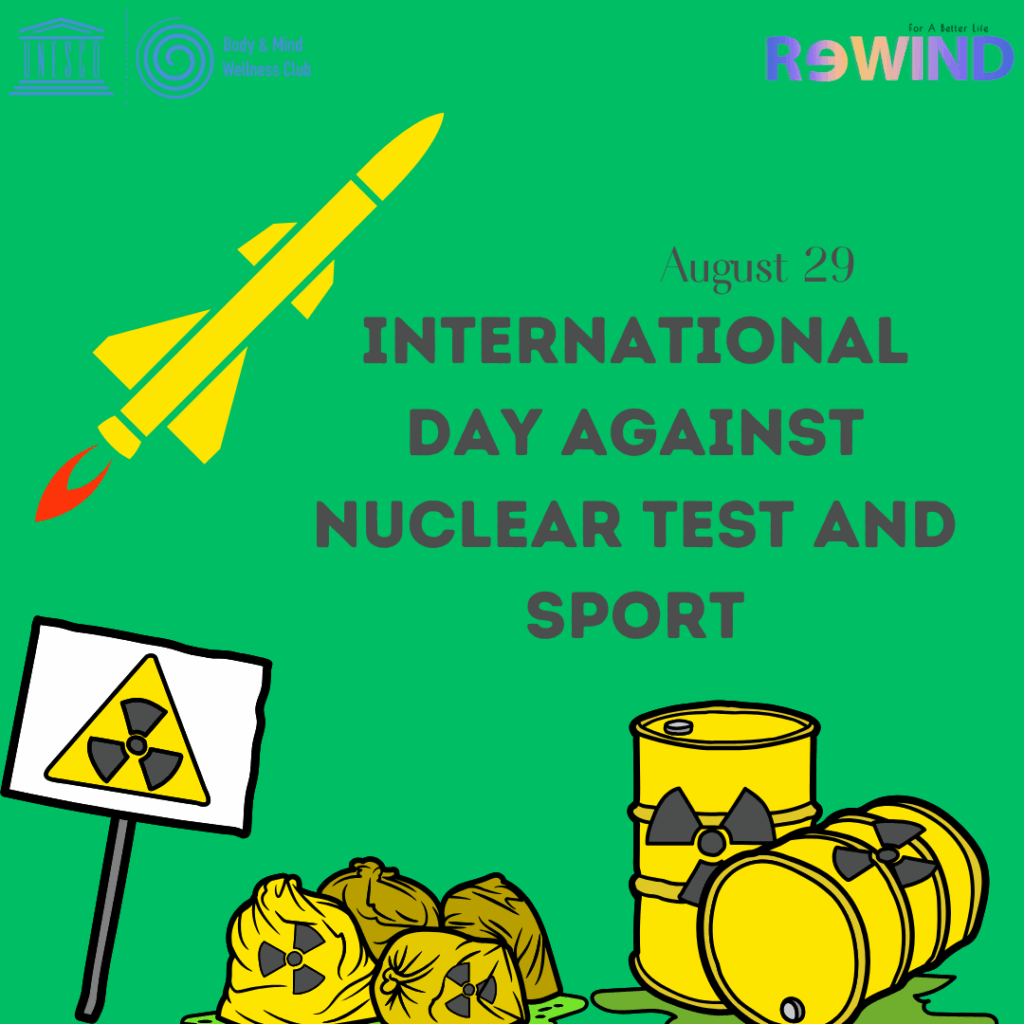
Nuclear tests kicked off in 1945 and continued for many years, leading to a huge impact on the environment, including public health crises and increasing global tensions. Countries around the world carried out over 2,000 nuclear tests — in places like American deserts, Pacific islands, and Central Asian steppes. August 29 holds special meaning. It’s the day when Kazakhstan’s Semipalatinsk Nuclear Test Site shut down in 1991— one of the biggest Soviet nuclear testing grounds. This site saw more than 450 nuclear tests, which had devastating effects on nearby communities and ecosystems.
The CTBT, adopted in 1996, bans all nuclear explosions worldwide. Although signed by 187 countries and ratified by 178, it has not yet entered into force because key states have not ratified it.
The UN took action on December 2, 2009, by passing Resolution 64/35. This decision came as a response to global calls to reduce weapons. The resolution established August 29 as the International Day against Nuclear Tests.
Goals of the Day:
- To raise awareness about the impact of nuclear testing on people.
- To encourage global cooperation in eliminating all nuclear weapons.
- To promote more countries to sign and adhere to the Comprehensive Nuclear-Test-Ban Treaty (CTBT).
- To honor those affected by past nuclear tests and advocate for their needs.
Why is it important to recognize this day?
As World War II fades further into history, with its end becoming a distant memory, it is crucial to remember the destruction nuclear weapons can bring to innocent people. The students who once practiced nuclear drills in schools are growing older, but the threats tied to nuclear testing remain. Although nuclear testing has dropped a lot since the Atomic Age, some nations, like North Korea still carry out such tests. Iran is another nation often mentioned due to its well-known nuclear program, which was curbed through sanctions. Recent reports have suggested that Iran has grown bolder, with officials either hinting or outright stating their intention to defy sanctions and make progress on nuclear weapons.
UNESCO BMW’s Involvement
UNESCO BMW is extensively dedicated to spreading peace around the world. Through articles like these, we can spread awareness and educate from school-aged children to senior citizens; so make sure to spread this and other articles! UNESCO BMW hosts meditation programs and many other events that enable people to take a break from the stresses of ordinary life, achieve inner peace, and spread it to others.
UNESCO BMW’s Vision
Our vision mission encompasses three main goals that are also in line with this occasion today and engage people of all ages, especially the youth-improvement of the inner ecosystem, enhancement of inner creativity through arts and crafts and, lastly, encouragement of inner peace on a global level.
By: Seemab Arif