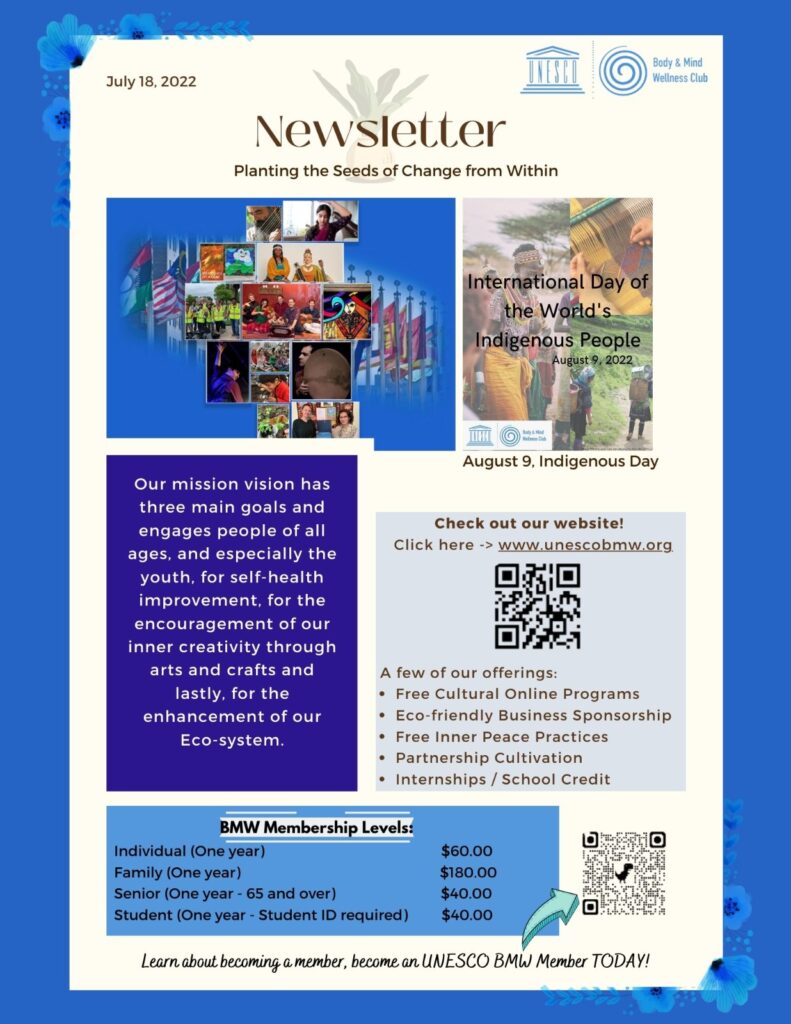
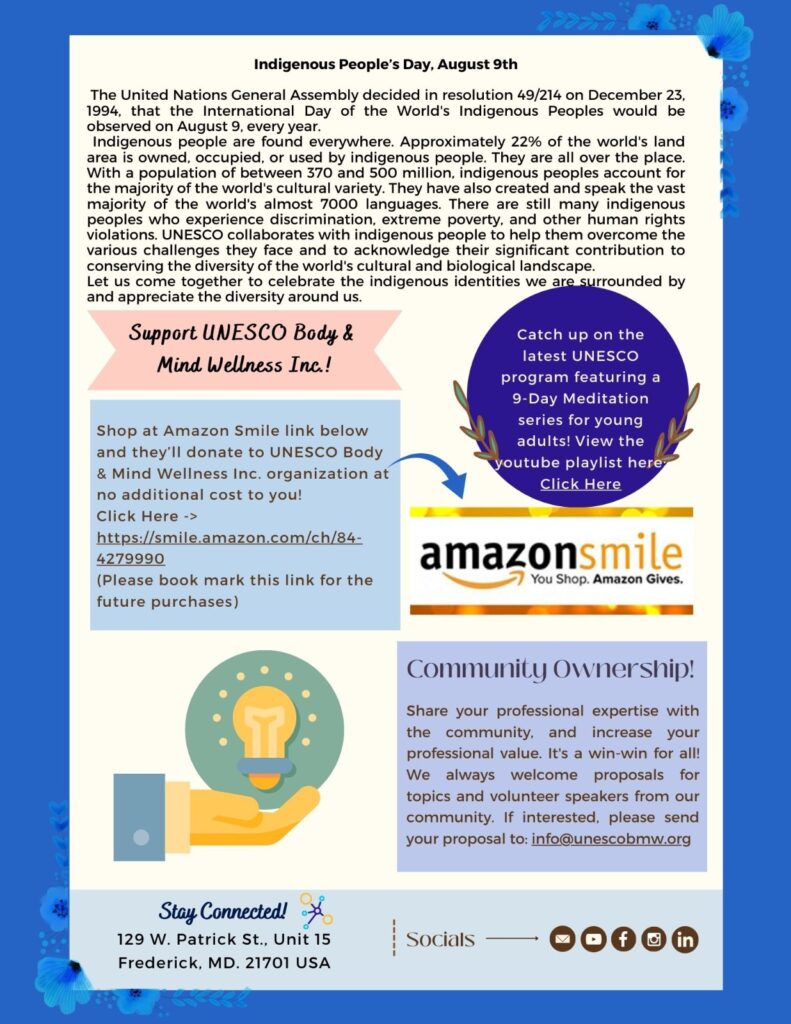
The United Nations General Assembly decided in resolution 49/214 on December 23, 1994, that the International Day of the World’s Indigenous Peoples would be observed on August 9, every year.
The date commemorates the first meeting of the UN Working Group on Indigenous Populations of the Sub-Commission on the Promotion and Protection of Human Rights, which took place in 1982. The United Nations General Assembly declared 1993 the International Year of Indigenous Peoples in 1990.
Every year, UNESCO commemorates the Day by disseminating information about projects and activities related to the year’s theme.
Where are Indigenous People Found?
Indigenous people are found everywhere. Approximately 22% of the world’s land area is owned, occupied, or used by indigenous people. They are all over the place. With a population of between 370 and 500 million, indigenous peoples account for the majority of the world’s cultural variety.
They have also created and speak the vast majority of the world’s almost 7000 languages. There are still many indigenous peoples who experience discrimination, extreme poverty, and other human rights violations.
UNESCO Involvement
UNESCO collaborates with indigenous people to help them overcome their challenges and acknowledge their significant contribution to conserving the diversity of the world’s cultural and biological landscape.
UNESCO BMW is an innovative, UNESCO-affiliated organization that uses physical, emotional, and mental balance to encourage inner peace and self-awareness across generations.
BMW was established with the shared purpose of using unorthodox sources of art and culture from all
around us to strengthen, stabilize, and improve the global society. We collaborate with
individuals and groups to produce works of traditional art and craft that stand for peace and harmony.
UNESCO works in collaboration with indigenous groups to assist them in overcoming the many obstacles they encounter while also recognizing their important contribution to maintaining the variety of the global cultural and biological landscape. The concerns of indigenous people are one of UNESCO’s top priority areas. We strive to improve the support of our ecology, the realm of global peace, and the adoption of environmentally responsible behaviors.
UNESCO’s Vision
Our vision mission encompasses three main goals that are also in line with this occasion today and engage people of all ages, especially the youth-improvement of the inner ecosystem, enhancement of inner creativity through arts and crafts, and lastly, encouragement of inner peace on a global level.
Let us come together to celebrate the indigenous identities we are surrounded by and appreciate the diversity around us.