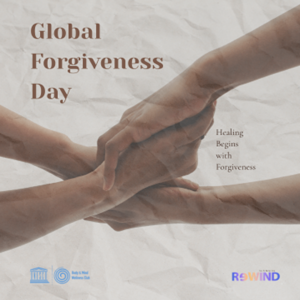
Global Forgiveness: Healing Begins with Forgiveness
Regardless of background, culture, or religion, forgiveness is one of those uncommon concepts that subtly unites people from all over the world. The power of forgiveness influences how people heal and how communities progress, whether it is through a private moment of letting go of an old grudge or a public gesture of reconciliation between nations. Every year on Global Forgiveness Day, individuals from all around the world are encouraged to stop, think, and deliberately decide to let go of their anger and resentment in favor of understanding and peace.
The Background of Global Forgiveness Day
The Christian Embassy of Christ’s Ambassadors (CECA) originally declared a National Forgiveness Day in Victoria, British Columbia, in 1994, which is when Global Forgiveness Day got its start. As the celebration spread and struck a chord with individuals of many backgrounds and ideologies, it developed into the more expansive Global Forgiveness Day, which is currently observed on July 7. Similar celebrations have spread throughout the world, such as Forgiveness Sunday in the Christian calendar and International Forgiveness Day, which was established by Archbishop Desmond Tutu and observed on the first Sunday in August. These events demonstrate how universal the need for forgiveness is.
The practice of forgiveness is also influenced by cultural context. Forgiveness is typically viewed in individualistic societies as a private, internal process that one works through in private. Forgiveness frequently becomes a collective issue in more collectivist societies, with an emphasis on reestablishing social harmony as opposed to merely resolving personal grievances. This is part of what makes the concept “global”: while forgiveness can take many different forms, everyone has the fundamental urge to let go of grudges.
The Health Benefits of Forgiveness
Forgiveness has actual, quantifiable physical advantages in addition to its emotional and spiritual significance. Forgiveness has been associated with lower blood pressure, lower levels of stress hormones, a better heart rate, and even less chronic pain, according to research. On the other hand, it has been demonstrated that harboring resentment and anger can have negative bodily effects, including anxiety, elevated blood pressure, and persistent stress. Therefore, choosing to forgive is not only beneficial for relationships but also an investment in our own physical and emotional health, which is a major reason why medical professionals still advise developing this practice.
Stories That Inspire Forgiveness
The most potent instances of forgiveness can be found in the most trying times in history. After serving 27 years in jail, Nelson Mandela made the decision to forgive his oppressors and steer South Africa away from retaliation and toward peace. The man who attempted to kill Pope John Paul II in 1981 was personally visited and pardoned. These tales serve as a reminder that forgiveness is about releasing ourselves from the burden of wrongdoing, not about justifying it.
UNESCO BMW and the ReWIND Project
Organizations all throughout the world use practical methods to spread this message. Through workshops, awareness campaigns, and community events focused on healing and reconciliation, UNESCO Body & Mind Wellness Club (UNESCO BMW) actively supports World Forgiveness Day. It’s free ReWIND program, an eight-session course that has already reached over 500 participants, including 32 teens and 70 adults, puts that mission into action by teaching practical tools for managing stress, anxiety, and anger—the very emotions that so frequently stand in the way of forgiveness.
References
- https://nationaldaycalendar.com/celebrations/global-forgiveness-day-july-7
- https://www.daysoftheyear.com/days/forgiveness-day/
- https://www.ulc.org/ulc-blog/international-forgiveness-day
- https://www.mayoclinic.org/healthy-lifestyle/adult-health/in-depth/forgiveness/art-20047692
- https://www.holidayinsights.com/moreholidays/august/forgivenessday.htm