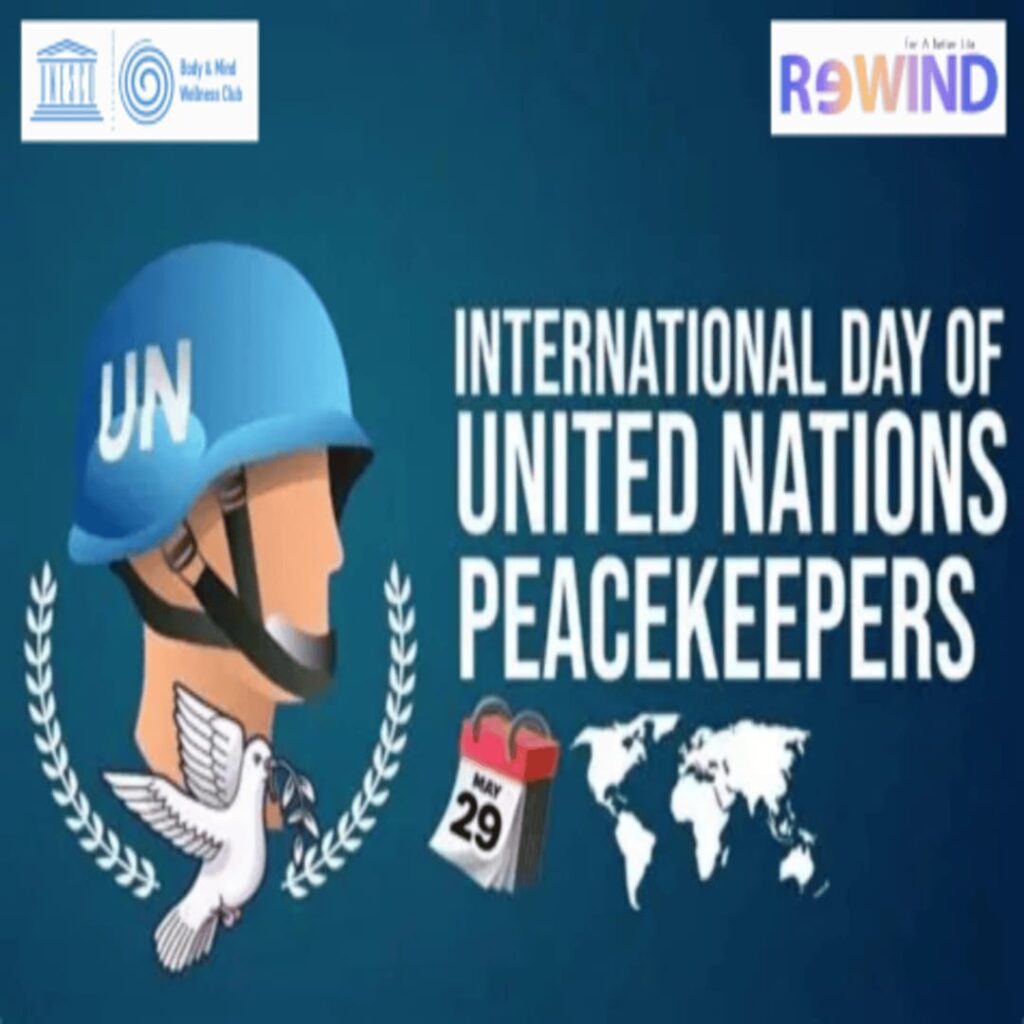
Every year on May 29, the world observes United Nations Peacekeepers Day as a momentous occasion to recognize the dedication, bravery, and sacrifice of the men and women who serve under the United Nations flag in some of the most challenging environments on Earth. This day not only commemorates those who have lost their lives in the pursuit of peace but also celebrates the vital role peacekeepers play in fostering stability and hope in conflict-affected regions.
The International Day of United Nations Peacekeepers is traditionally marked by solemn ceremonies, parades, and a variety of events at UN headquarters and in nations worldwide. These gatherings bring together dignitaries, peacekeepers, and their families to pay homage to the fallen and honor those who continue to serve in the noble pursuit of peace.
In these heartfelt ceremonies, we are reminded of the ultimate sacrifices made by those who have lost their lives in the pursuit of peace. We also reflect on the countless acts of bravery, selflessness, and compassion that embody the spirit of peacekeeping, inspiring us all to strive for a more harmonious world.
Background
The General Assembly designated 29 May as the International Day of United Nations Peacekeepers in its resolution 57/129. On this day. In 1948, the first UN peacekeeping mission, named the “United Nations Truce Supervision Organization”, or UNTSO, began operations in Palestine. Hence, on this day, we pay tribute to the professionalism, dedication, and courage of all the men and women serving in UN peacekeeping operations, and honour the memory of those who have lost their lives in the cause of peace.
Since the first UN Peacekeeping mission was established in 1948, 3,800 military, police, and civilian personnel have lost their lives in the service of peace as a result of acts of violence, accidents, and disease. On 29th May, UN offices, alongside Member States and non-governmental organizations, hold memorials to honour fallen peacekeepers.
At the UN Headquarters in New York, the Secretary-General presides over a wreath-laying ceremony in honour of all peacekeepers who lost their lives while serving under the UN flag. In addition, the Dag Hammarskjöld Medal is awarded posthumously to the peacekeepers who have fallen while serving in the cause of peace, during the preceding year.
UN Peacekeeping operations use the Day to strengthen bonds with the local populations that they have been deployed to serve. For example, by holding sporting events, school and orphanage visits, art and essay competitions, photo exhibits, neighbourhood clean-ups, tree plantings, concerts, and conferences and workshops on peacekeeping issues.
The Significance of Peacekeepers
Peacekeepers are the unsung heroes of global conflict resolution. They are the individuals who bravely venture into the epicenters of conflict, often at great personal peril, to forge an environment conducive to peace and stability. They serve as mediators, negotiators, and steadfast guardians of humanitarian law. Without their invaluable efforts, our world would be a far more perilous and unstable place.
Body and Mind Wellness: A UNESCO BMW (we are UNESCO BMW, it is our mission and vision)Perspective
At UNESCO BMW, we believe true peace is not only about the absence of conflict but also about the mental, emotional, and physical well-being of individuals. We achieve this by promoting a holistic approach to peace by emphasizing education, cultural understanding, and psychological resilience in our programs. We also highlight the importance of “body and mind wellness” for peacekeepers serving in challenging environments. Peacekeepers often face stress, trauma, and isolation, making mental health support and physical fitness essential components of their effectiveness. To enforce these values, UNESCO BMW encourages initiatives such as peace education, stress management, intercultural dialogue, and access to recreational and wellness activities. These efforts help peacekeepers maintain emotional balance, build resilience, and interact more effectively with local communities. Thus, by integrating UNESCO’s vision of holistic wellbeing, peacekeeping missions can become more sustainable and impactful. A peacekeeper who is mentally strong, physically healthy, and culturally aware is better equipped to promote lasting peace and mutual understanding.
By Fiza Faryad and Ruheena Roushanara Choudhury
Bibliography:
International Day of UN Peacekeepers 2026: Invest in Peace | POLICE