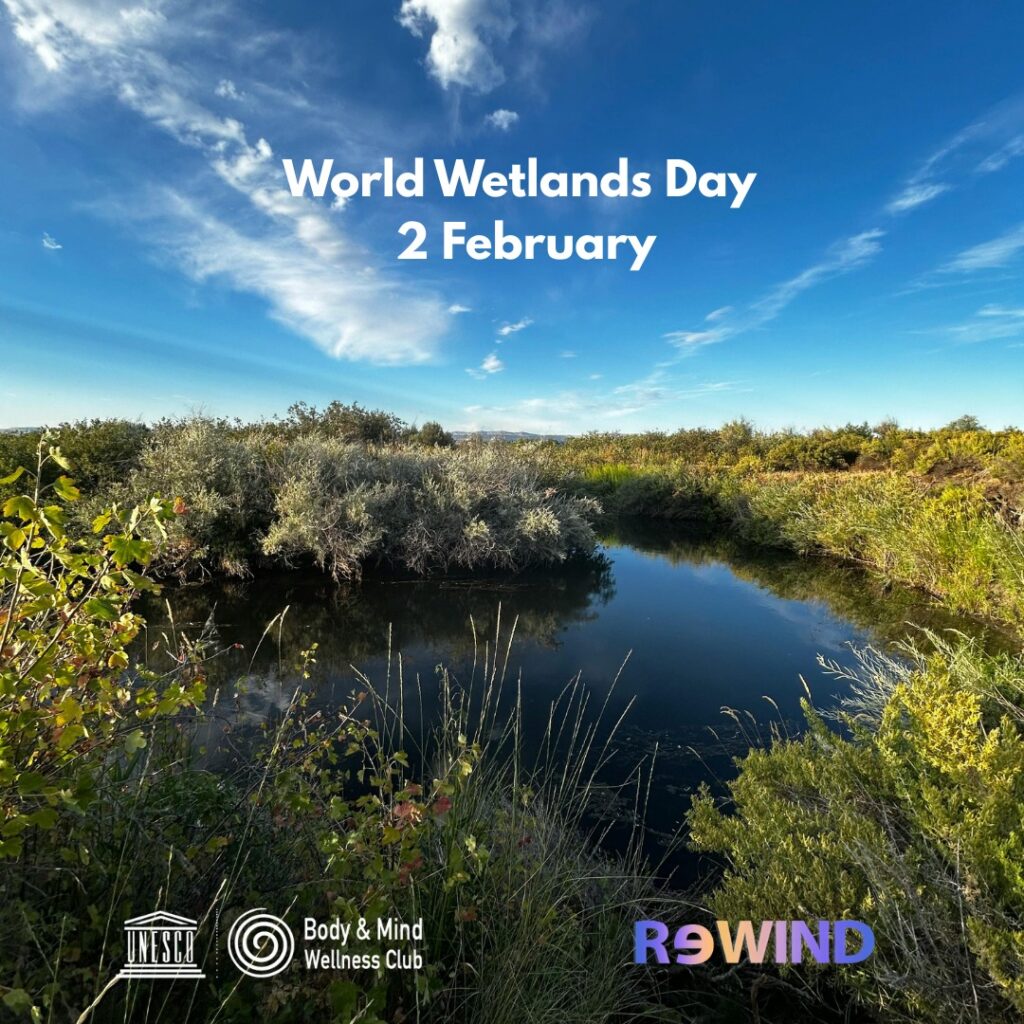
While they are often overlooked as mere “swamps” or “marshes,” wetlands are actually the unsung heroes of our planet’s survival. Every year on February 2nd, the global community comes together for World Wetlands Day to highlight why these ecosystems are indispensable to our future.
A Legacy of Conservation: The Ramsar Convention
The story of this day begins in 1971 in the city of Ramsar, Iran. On the shores of the Caspian Sea, representatives from 18 nations gathered to sign the Ramsar Convention. This landmark treaty was the first of its kind, establishing a global framework for the protection and sustainable use of wetlands.
However, the history of these lands is also one of loss. Since the 1700s, we have lost nearly 90% of the world’s wetlands. Even more alarming is that they are disappearing three times faster than our forests. World Wetlands Day serves as a critical annual reminder that we must reverse this trend before it’s too late.
More Than Just Water: Understanding Our Wetlands
Wetlands are far more than just saturated patches of earth; they are dynamic environments where water and land merge to create some of the most productive ecosystems on the planet. These areas span a wide range of landscapes, from inland freshwater systems like rivers, lakes, swamps, and peatlands, to the vibrant coastal and marine environments of mangroves, estuaries, lagoons, and even coral reefs.
The reason these ecosystems deserve our protection goes far beyond their natural beauty. Wetlands act as global biodiversity hotspots, providing a home to an incredible array of plant and animal species that cannot survive elsewhere. On a larger scale, they serve as our planet’s “climate shields,” functioning as massive natural carbon sinks that help regulate the atmosphere and acting as physical buffers that protect inland communities from the devastating impact of storms and floods. Furthermore, our global food and water security is tied directly to their health, as wetland-based agriculture currently supports the livelihoods and nutrition of over three billion people worldwide.
The 2026 Theme: “Wetlands and Traditional Knowledge: Celebrating Cultural Heritage”
As we look toward 2026, the focus shifts to a profound and often overlooked connection: the link between nature and human culture. This year’s theme, “Wetlands and Traditional Knowledge: Celebrating Cultural Heritage,” highlights the wisdom of indigenous peoples and local communities who have lived in harmony with these ecosystems for centuries.
Throughout history, humanity has grown up beside lakes, rivers, and shores, developing deep-rooted traditions and sustainable management practices that have kept these lands healthy for generations. By honoring this cultural heritage, we can bridge the wisdom of the past with modern conservation efforts, ensuring that we protect not just the water and wildlife, but the very identity and history of the people who steward them.
How UNESCO BMW is Leading the Charge
UNESCO BMW are at the forefront of this battle. By bridging the gap between the Ramsar Convention’s goals and the 2030 Sustainable Development Goals (SDGs), they turn policy into action.
Through innovative eco-adventure programs and community-led initiatives, UNESCO BMW works to:
Educate: Teaching the next generation about ecological balance.
Engage: Using youth outreach to foster a sense of environmental peace and creativity.
Restore: Aligning local efforts with global standards for sustainable management.
The Path Forward
The vision is simple but profound: a world where wetlands are recognized as vital organs of the Earth. By prioritizing restoration today, we ensure a harmonious and sustainable world for tomorrow.
This February 2nd, take a moment to learn about the wetlands in your own backyard and support local conservation efforts. Every acre saved is a step toward a cooler, cleaner planet.
Lilianny Oliveira