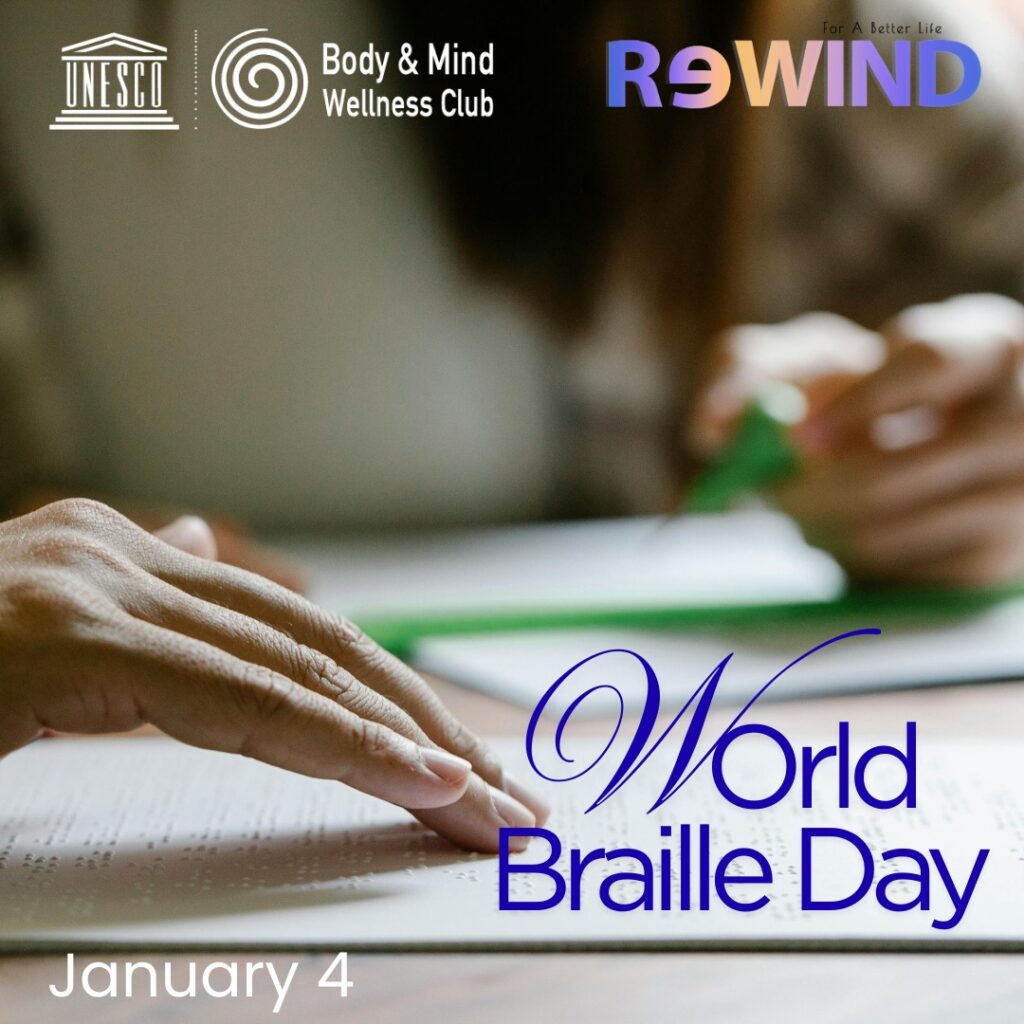
Every year on January 4, the world pauses to celebrate a silent revolution: the invention of Braille. World Braille Day is more than just a date on the calendar; it is a global recognition of the right to information, independence, and dignity for millions of individuals with visual impairments.
The Spark of Genius: Why January 4?
The date marks the birth of Louis Braille, who, after losing his sight as a child, transformed six simple dots into a universal language. While the system was created in the 19th century, its modern importance was officially solidified by the United Nations in 2019. This recognition underscores that Braille is not merely a “special tool” but a fundamental human right.
More Than Words: Braille as Empowerment
For a person with visual impairment, Braille is the key that unlocks the door to the world. It is the foundation of literacy and education, providing a tangible way to engage with literature, science, and music.
However, the significance of Braille extends to:
- Employment: It enables the visually impaired to gain professional independence and the ability to navigate workplace documents.
- Public Safety: It provides access to essential information on medicine labels, elevator buttons, and signage.
- Last but not least, Social Equality: Braille aids in reducing the vastness of the barriers of discrimination by ensuring information is not a privilege, but a shared resource.
A Call to Action
The celebration of World Braille Day serves as a vital reminder of the work still to be done. Despite technological advancements, many individuals still face significant hurdles in accessing inclusive education and public services. Observing this day encourages governments and the private sector to prioritize accessible formats, ensuring that no one is left in the dark.
Leading the Way: UNESCO BMW’s Commitment
UNESCO BMW remains at the forefront of this movement, bridging the gap between vision and accessibility. The organization’s efforts are focused on three core pillars:
- Educational Integration: Ensuring Braille is a standard component in classrooms worldwide.
- Digital Innovation: Supporting the development of tech-driven Braille tools that keep pace with the modern world.
- Policy Advocacy: Pushing for legislative changes that protect the rights of the visually impaired.
- How can you help? Awareness starts with understanding. You can support World Braille Day by advocating for accessible signage in your local community or supporting organizations that provide Braille literacy materials.
Lilianny Oliveira