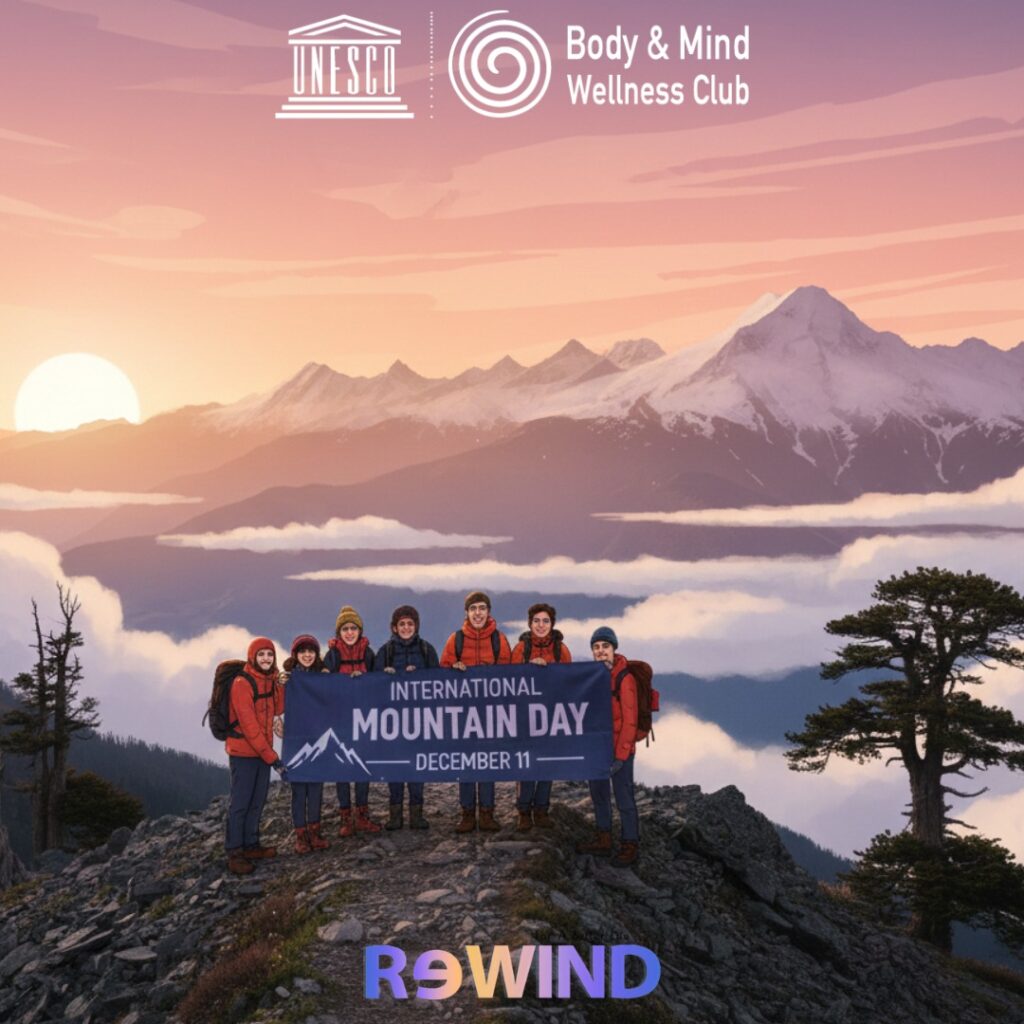
We rarely think of mountains as infrastructure, yet they are the planet’s most critical natural systems, supplying essential services upon which global civilization depends. The annual observance of International Mountain Day on December 11 is not merely a celebration of scenery; it is a global mandate to protect these towering assets, a responsibility championed by the United Nations and institutions like the Food and Agriculture Organization (FAO).
The Architectonics of Survival
The importance of mountains transcends their role as geographical features; they are the bedrock of ecological and economic stability. Covering a quarter of the Earth’s surface, their sheer mass plays a crucial role in planetary equilibrium. Geologists confirm that mountains, following the principles of Isostasy, help stabilize the planet’s tectonic plates.
However, their greatest contribution is their capacity to sustain life:
Global Water Towers: Mountains are the ultimate natural reservoirs, delivering a massive 70% of the world’s freshwater. These icy peaks and forested slopes are the source points for rivers that nourish agriculture, prevent desertification, and stabilize economies across vast downstream regions.
Energy and Defense: Mountains act as ready-made infrastructure for human needs. Their elevated terrain dramatically cuts costs for hydropower generation—serving as natural walls their height has afforded nations invaluable natural barriers for defense.
Livelihood and Sanctuary: They house 1.1 billion people and protect countless species, making them critical nodes of biodiversity that must be safeguarded.
A Ticking Clock: Threats to Natural Capital
This essential infrastructure is rapidly deteriorating due to human pressure. The immediate aesthetic and structural integrity of mountains are eroded by deforestation, which strips stability and paves the way for devastating landslides.
More pervasive and complex is the threat posed by climate change. Accelerated glacier melt creates a cascading crisis: immediate, destructive flooding, followed by severe, long-term water scarcity that destabilizes agricultural centers. This environmental volatility is a significant driver of forced human migration, complicating global refugee issues.
Adding to the degradation are the twin pressures of relentless resource exploitation and poorly managed tourism. The insatiable global demand for natural resources drives damaging extractive practices, while unregulated tourist flows leave behind mountains of trash and pollution, diminishing the very beauty travelers seek.
UNESCO BMW Involvement: Cultivating Mind and Mountain
Recognizing that the well-being of humanity and nature are inseparable, UNESCO BMW has focused its advocacy on this critical link. Collaborating with organizations like the FAO, they shift the narrative from resource extraction to ecosystem reverence.
UNESCO BMW emphasizes that mountains offer more than just physical resources; they are sources of mental peace and inspiration. Their initiatives—including nature-based mindfulness programs and youth engagement activities—are designed to foster a deep, personal respect for these landscapes.
UNESCO BMW’s Vision
Is one of harmonious co-existence, using educational campaigns and creative activities to ensure younger generations appreciate mountains as vital cultural, and ecological assets. By promoting mental and physical wellness alongside environmental awareness, UNESCO BMW commits to protecting mountains as the essential pillars of both ecological stability and human health.
Lilianny Oliveira
Sources:
https://www.fao.org/international-mountain-day/en
https://openknowledge.fao.org/items/bf4ccd24-ba5f-4473-8f9c-d3eb6bed343d
https://www.britannica.com/science/Airy-hypothesis