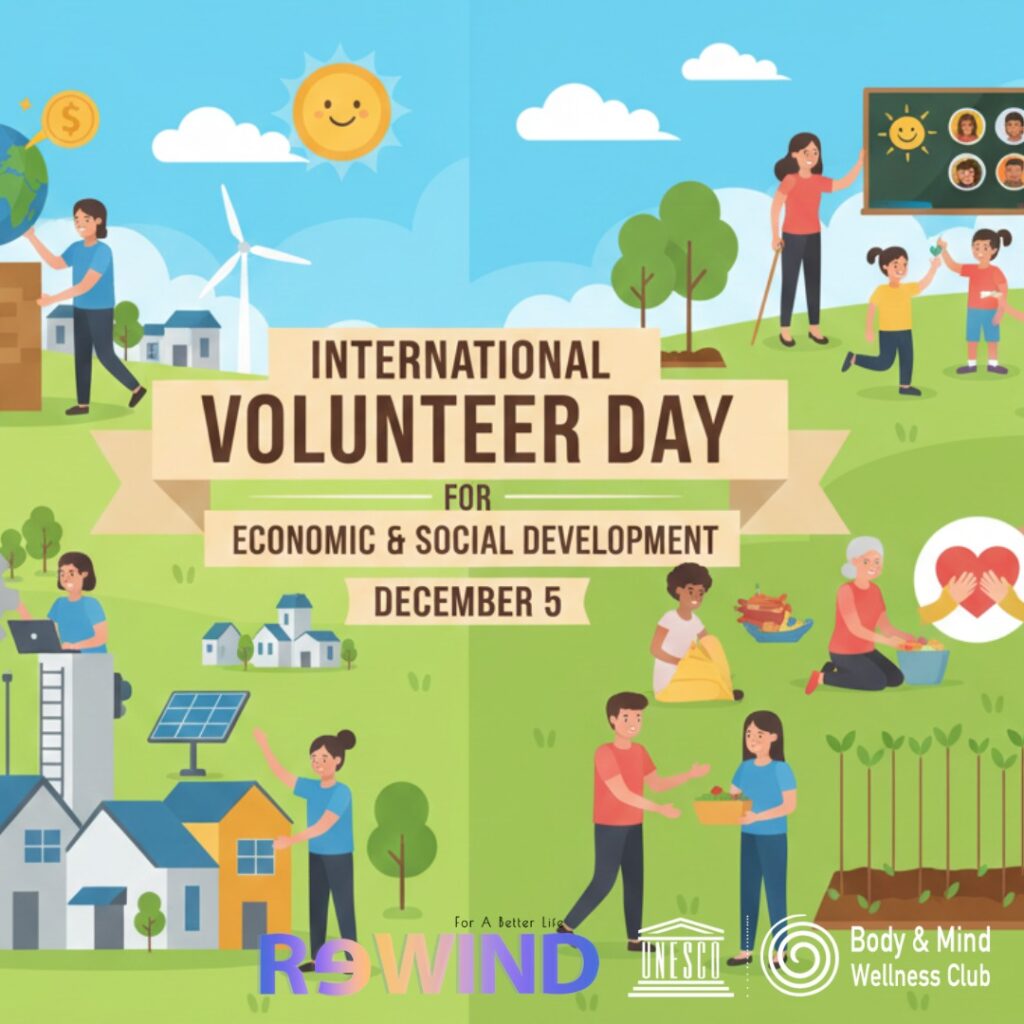
The act of giving time and skill without expectation of monetary return is one of the most powerful forces for positive change in the world. Annually, on December 5th, the global community observes International Volunteer Day (IVD), a celebration established by the United Nations General Assembly in 1985. This day serves as a critical moment to acknowledge the vital contributions of millions of dedicated individuals who commit their lives to tackling complex social challenges, from widespread hunger and deep-seated inequality to the urgent crisis of climate change. Volunteer service is not merely altruism; it is recognized as a strategic mechanism for mobilizing essential resources and accelerating global social progress.
Catalysts for Sustainable Development
Volunteers are truly the engine of economic and social development at the grassroots level. By dedicating their expertise and resources, they play an indispensable role in strengthening local communities and economies. Their efforts directly address fundamental human needs, providing essential services such as basic education, healthcare, and environmental conservation.
The work of volunteers is instrumental in advancing the Sustainable Development Goals (SDGs). By tackling foundational issues like poverty eradication, ensuring food security, and promoting gender equality, volunteers alleviate pressures on vulnerable communities. This focused effort enables local governments and economies to redirect resources toward broader, long-term development initiatives, creating a sustainable foundation for future prosperity.
Overcoming the Frontline Obstacles
Despite their monumental impact, those on the frontline of volunteerism face significant hurdles. They often grapple with limited resources, overwhelming community expectations, and insufficient formal training. Volunteers operating in low-income or high-risk environments are particularly vulnerable, frequently lacking the necessary facilities and support structures to safely and effectively achieve their goals.
Addressing these systemic challenges requires a unified local and global commitment. This involves actively investing in quality training materials, implementing robust safety measures, and ensuring the timely provision of essential resources to those working in the most vulnerable regions. Support infrastructure is not a luxury; it is a necessity for maximizing the efficacy and sustainability of volunteer efforts worldwide.
UNESCO BMW’s Involvement
Among the organizations galvanizing this global movement is UNESCO BMW, which actively champions the core values of non-violence and unity. The organization leverages powerful platforms to host inspiring speakers, engaging communities in critical discussions about the importance of peace, mindfulness, and collaborative action.
UNESCO BMW places a strong emphasis on mental and physical well-being, fostering a culture of holistic health through initiatives such as meditation sessions, and awareness campaigns. By offering volunteering opportunities and mentorship, the organization actively encourages young people to become protagonists in the movement toward world peace. This commitment has helped to build a global movement dedicated to harmony, offering structured opportunities for individuals to connect, reflect, and celebrate their shared humanity.
The vision of UNESCO BMW
By engaging people of all generations, especially the youth, in creative and artistic pursuits—such as arts, crafts, and cultural exchanges—the organization cultivates inner peace and mutual respect. Through these impactful initiatives, UNESCO BMW works diligently to ensure that the timeless message of peace resonates globally, urging every community to prioritize and cultivate harmony, creativity, and a truly non-violent society.
By: Lilianny Oliveira
Sources:
https://www.un.org/en/observances/volunteer-day
https://sustainabledevelopment.un.org/index.php?page=view&type=30022&nr=794&menu=3170