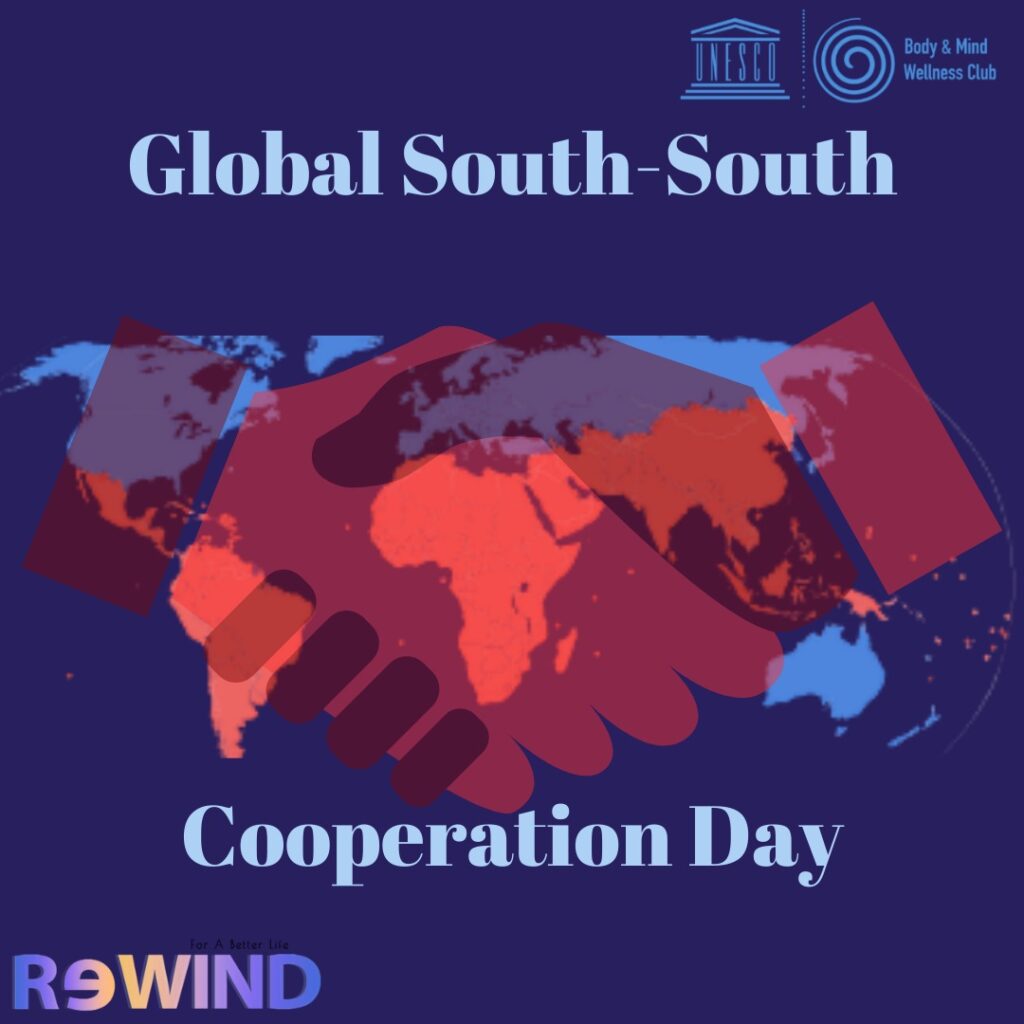
As human innovation and ingenuity continue to evolve, the need for global coordination also increases. Unfortunately, due to limited access to technology and machinery, many countries are unable to tap their hidden resources, hence they are unable to participate fully in international trade. Thus, to ensure higher economic development within these nations, the UN decided to take matters into its own hands by introducing:
South-South Cooperation!
The Brave Beginning
The history of South-South cooperation at the UN dates back to 1949, when the first UN technical aid programme was established by the Economic and Social Council, and the creation of the United Nations Development Programme (UNDP) in 1965.
Then, in 1974, the UN General Assembly endorsed the establishment of a special unit within the UNDP to promote technical cooperation among developing countries, thereby accelerating globalization efforts. This special unit would become the United Nations Office for South-South Cooperation (UNOSSC) that oversees trade in the South and the triangular region of the globe.
Finally, in 1978, the Buenos Aires Plan of Action (BAPA) for Promoting and Implementing Technical Cooperation among countries (TCDC) was adopted in the conference of the Global South, laying the groundwork for the strong global network of exchange we see today.
The Prudent Purpose
As time progresses, so does the need for collaboration, especially in developing countries. Therefore, South-South cooperation was initiated to not only foster collective self-reliance but also to enforce the idea that despite the economic, social, and environmental challenges these countries face, they can continue to share solutions, technology, and expertise. This is imperative in today’s world, as these partnerships can advance a fairer, more inclusive financial system that responds to the obstacles faced by markets within the developing country while also improving the quality of life for future generations by building resilience and empowering ethnicities.
However, it is important to note that South-South cooperation does not reduce the responsibility of wealthier nations to help tackle global inequalities. It increases the sovereignty of these countries by providing them with more autonomy and independence, preventing richer countries from dominating aid negotiations, loans, or trade terms. Hence, transparency, accountability, and open-mindedness are promoted on a global scale. Thus, to honour the milestone of the BAPA, which laid the main framework for technical cooperation among developing countries, the UN designated 12th September as the United Nations Day for South-South Cooperation.
UNESCO BMW’s Vision
Our mission is to promote and to put into action programs that help raise a new generation of peacemakers, to create the conditions for dialogue among civilizations, cultures and people, based upon respect for shared values.
UNESCO BMW’s Involvement
Every September, UNESCO BMW focuses primarily on advocating for Global Peace, Social Justice, and Personal Health. This is because all the factors mentioned above are crucial indicators of healthy economies. Indicators such as the Human Development Index (HDI), Genuine Progress Indicator (GPI), and Happy Planet Index not only rely on output but also well-being and sustainability. Through BMW’s focused sessions and inclusive environment, members develop a strong understanding of the importance of collaboration, interdependence, and autonomy. Through in-depth panel discussions and group sessions, our members learn about various global efforts of South-South cooperation, such as the ASEAN exchange program, which has improved disaster management, training education systems, and technology sharing within Southeast Asia; Brazil and Africa who mutually share tropical agriculture technology with each other to improve food security and farming productivity; India’s supply of affordable and generic medicines and vaccines to African nations which have helped reduce healthcare costs drastically and made life-saving treatment more accessible and many more.
The club also encourages individuals to contribute to South-South cooperation by:
- Raising Awareness- Educate peers about the importance of cooperation between developing countries.
- Promoting Fair Knowledge Sharing- Support open-source technology, education, and research accessible to all.
- Supporting South-South Projects- Volunteer, donate, or collaborate with NGOs working in developing regions.
- Practicing Cultural Solidarity- Respect and learn from different cultures in the Global South.
- Advocating for the SDGs- Push for local initiatives that align with global development goals (clean water, renewable energy, education, etc.)
In essence, South-South cooperation day is a time for individuals to come together and appreciate the hard work that goes into globalization every day, as it is the fuel that runs the world. Without it, digitalization, advancement, and development could have never taken place. Therefore, take this time today to appreciate the diverse origins of the various goods and services you use and appreciate their utility within the global economy!
By: Ruheena Roushanara Choudhury