Sport: Building Bridges, Breaking Barriers
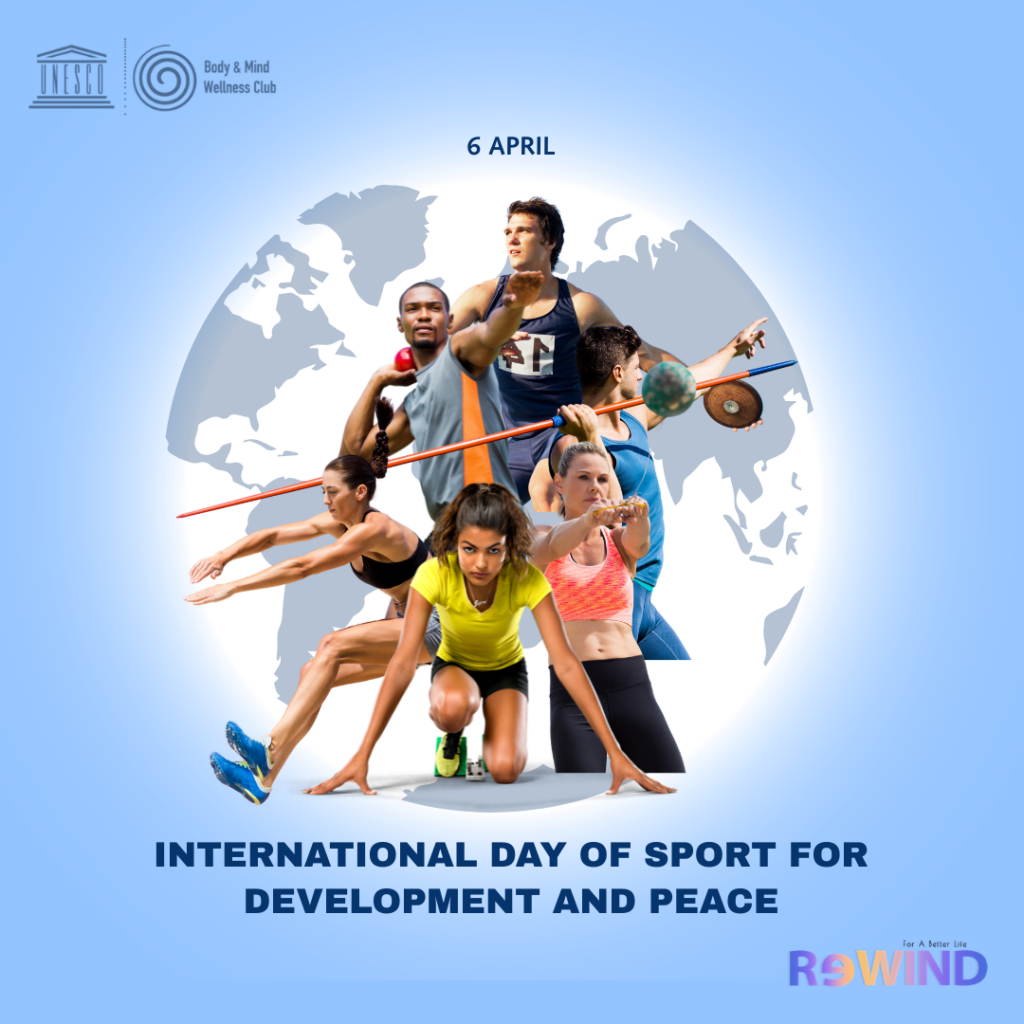
In human society, sport has always been vital. Beyond rivalry and amusement, it is a potent tool for fostering understanding, collaboration, and connection between people and communities. The International Day of Sport for Development and Peace (IDSDP) is observed annually on April 6th to honor the transforming power of sport in fostering inclusivity, peace, and sustainable development.
“Sport: Building Bridges, Breaking Barriers,” the theme for 2026, emphasizes the remarkable ability of sport to bring people together across societal differences, generations, and cultures. Sport offers a common language that unites people in a world where social injustices, political unrest, and cultural differences sometimes cause division. Sport promotes cooperation, communication, and respect for one another, whether it is played in neighborhood parks, school playgrounds, or worldwide arenas.
The Origin of the IDSDP
In August 2013, the United Nations General Assembly formally declared the International Day of Sport for Development and Peace. The program acknowledged sport as a potent tool for advancing social development, gender equality, health, and education. On April 6, 2014, the day was first observed globally, which was a significant step toward recognizing the contribution of sport to the accomplishment of global development objectives.
The choice of April 6th has historical importance. It honors the anniversary of the 1896 opening of the first modern Olympic Games in Athens, Greece. The Olympic movement has traditionally advocated for international harmony, camaraderie, and fair competition. These principles are in line with the United Nations’ overarching goal of promoting international peace and cooperation.
Sport as a Catalyst for Social Change
Sport has the amazing capacity to cut across social, cultural, and financial divides. Shared sporting experiences allow people to connect regardless of language or nationality. Sport is an effective medium for social change because of its global appeal.
Sport-based projects have been utilized worldwide to address issues like social exclusion, discrimination, gender inequity, and youth unemployment. Participating in sports programs aids in the development of critical life skills, including resilience, leadership, discipline, and teamwork. These abilities strengthen and unite communities in addition to promoting personal growth.
Sport can offer a secure setting where people feel empowered and included, for marginalized groups, such as refugees, people with disabilities, and underprivileged youth. It fosters confidence and self-worth while generating chances for communication and teamwork.
In many communities, sports programs also play a crucial role in encouraging peacebuilding and conflict resolution. Young people learn to obey rules, work together as a team, and value variety when they participate in sports together. These teachings assist in fostering attitudes that promote peaceful communities and go well beyond the sports field.
Sport and the Sustainable Development Goals
It is commonly acknowledged that sport plays a significant role in the 2030 Agenda for Sustainable Development. Sport can help advance several Sustainable Development Goals (SDGs) due to its popularity and worldwide appeal.
For instance, by encouraging physical activity and healthier lifestyles, sport supports SDG 3: Good Health and Well-Being. Participating in sports on a regular basis promotes mental health, raises general well-being, and lowers the risk of chronic diseases.
Sport also contributes to Quality Education (SDG 4) by imparting vital life skills like self-control, teamwork, and persistence. In order to promote cooperation and individual development, several schools integrate sports into their curricula.
Sport also contributes significantly to the advancement of gender equality (SDG 5). Giving girls and women more opportunities to participate in athletics helps dispel misconceptions, empower female athletes, and encourage social equality.
Additionally, by fostering inclusive environments where people from different backgrounds may engage and work together, athletics helps achieve SDG 10: Reduced Inequalities. Communities can improve unity and reduce socioeconomic divides through sports efforts.
Sport also promotes peace, justice, and strong institutions by encouraging cooperation, respect, and fairness (SDG 16). These principles are essential to creating civilizations that are peaceful and stable.
The Role of Sport in Development
Sport has the amazing power to uplift people and bring communities together around common ideals like respect, cooperation, and fortitude. But the real benefits of sports go beyond exercise; they promote social responsibility, empathy, and good behavior. Participating in sports together fosters conditions that support inclusivity, cooperation, and mutual understanding.
Initiatives that link mental awareness and responsible living with physical well-being are one of the main ways these ideals are promoted. Sport is about fostering emotional balance, mindfulness, and community involvement in addition to increasing physical fitness, according to UNESCO Body and Mind Wellness (UNESCO BMW).
UNESCO BMW promotes people, especially young people, to reflect, reconnect, and develop better lifestyles through sport and mindful activities through initiatives like the REWIND program. Through the integration of physical activity with personal growth and social responsibility, the REWIND project fosters young empowerment, self-awareness, and sustainable living. The program helps people build resilience and confidence while cultivating a deeper sense of purpose by fusing sport with reflective learning and community involvement.
These programs show how sport may develop into a potent instrument for social change. UNESCO BMW helps create communities that value equality, cooperation, and well-being by encouraging young people to lead active and responsible lives and by supporting inclusive participation.