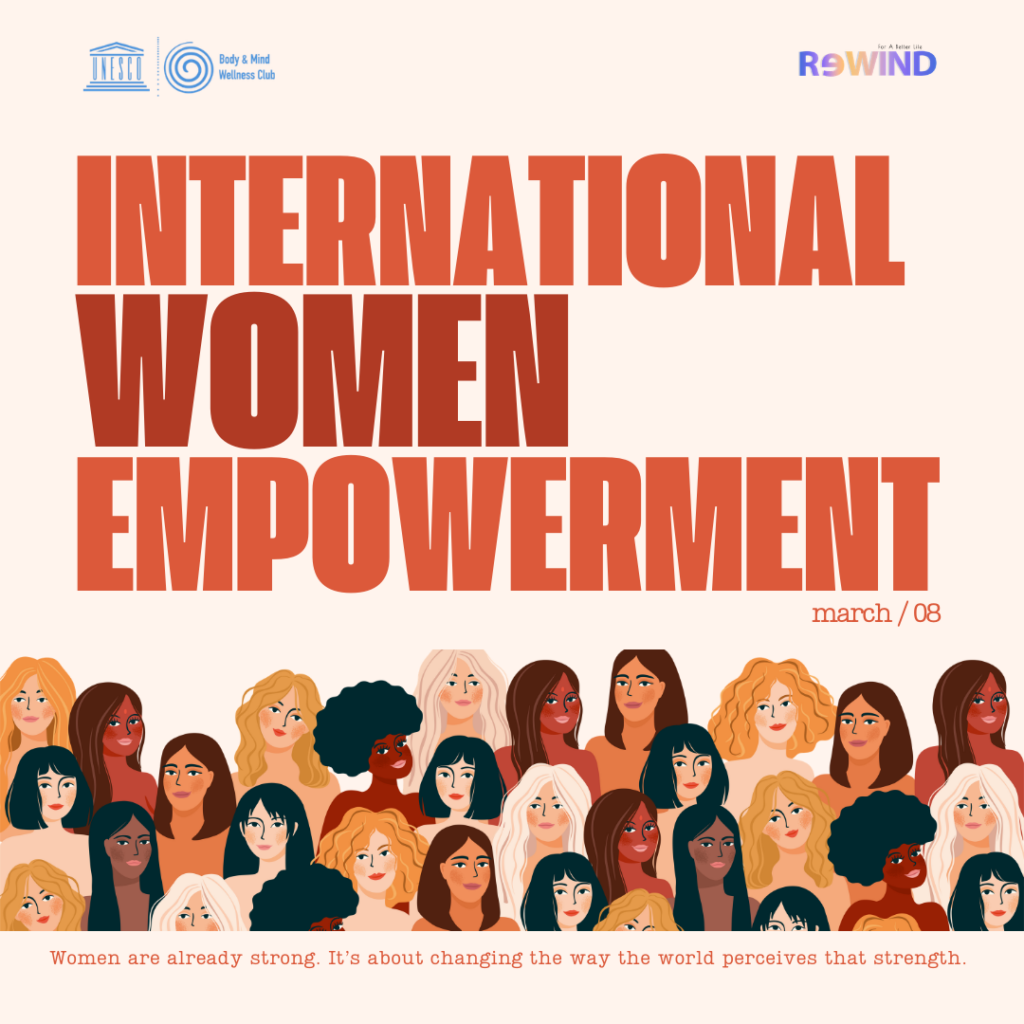
International Women’s Day
Women are visible in every aspect of daily life and in every sphere of society. They are an integral part of both society and world at large, playing a crucial role in shaping communities and driving social progress. Their constant efforts sustain families, strengthen societies, and contribute significantly to overall development.
Historical Background
International Women’s day has its roots in early movements that focused on women’s rights and social justice. In the early twentieth century, women began organizing and speaking out against unfair labor conditions, lack of political representation, and limited access to education. These movements aimed to secure basic rights for women, including the right to vote and equal opportunities in society.
Key Historical Milestones
Based on these early movements, the following events shaped the day we celebrate today:
- 1908 (New York City): 15,000 women marched to demand shorter working hours, better pay, and the right to vote.
- 1910 (International Proposal): Clara Zetkin proposed an annual International Women’s Day at a conference in Copenhagen to united women globally for their rights.
- 1917 (The Russian Strike): On March 8. Russian women led a strike for ‘Bread and Peace’. This historic event ultimately led to women gaining the right to vote in Russian and fixed the date for IWD.
- 1975 (UN Recognition): The United Nations officially recognized International Women’s Day, marking its transition into a global celebration of gender equality.
This Year’s Theme: ‘Give to Gain’
The theme of International Women’s Day this year, ‘Give To Gain’, emphasizes a powerful and supportive idea: when people, communities, and organizations invest in women, everyone benefits. Giving women access to quality education, healthcare, equal employment opportunities, and leadership roles results in long term social and economic gains.
‘Give to Gain’ challenges the misconception that empowering women takes something away from others. Instead, it highlights that empowerment creates shared benefits such as stronger families, productive workforces, and more peaceful societies. Supporting women is not charity; it is a strategic investment in a better future.
UNESCO’s Commitment to Gender Equality
Gender equality is a global priority for UNESCO, which recognizes that empowering women and girls is essential for sustainable development. Their commitment is centered on these three areas:
- Equality in and through Education: UNESCO works to ensure that women and girls have equal access to quality education and that the curriculum promotes gender equality rather than reinforcing old stereotypes.
Over the next five years UNESCO will:
- Reach 28 million learners in 80 countries through quality, gender-transformative teaching and learning.
- Hold countries accountable for commitments to gender equality in education through SDG 4 data and annual global analyses.
- Monitor 195 countries’ legal frameworks on girls’ and women’s education and support legal, policy, and sector reforms.
- Lead global coordination to advance girls’ education post-COVID-19 through UNESCO’s Global Education Coalition Gender Flagship.
- UNESCO investment: USD 30 million.
- Empowerment in Science and Technology: They focus on closing the gender gap in STEM (Science, Technology, Engineering, and Mathematics) by encouraging more women to enter these fields and take on leadership roles.
Over the next five years UNECO will:
- Expand girls’ and women’s access to digital skills, STI and STEM education, including engineering, computer science, and AI.
- Provide hands-on STEM education to 2,000 girls per year in Africa through micro-science initiatives.
- Support 2,000 women physicists annually worldwide through the Physics without Borders programme to strengthen research leadership.
- Advance and showcase young women scientists’ careers through the L’Oréal–UNESCO Women in Science Programme and partner organizations.
- Support Member States in developing gender-responsive STEM education systems and STI policies, particularly in Africa.
- Promote universal digital literacy and the ethical use of AI free from gender bias and stereotypes.
- UNESCO investment: USD 24 million.
- Equality in Cultural and Public Life: UNESCO advocates for women to have an equal voice in cultural life, media, and decision making processes, ensuring their contributions to social progress are recognized and protected.
Over the next five years UNESCO will:
Expand decent work and employment for women in Africa’s formal and informal creative economies through a business accelerator programme supporting women-led creative enterprises.
- Promote women’s freedom to create in safe, inclusive, and violence-free creative industries across Africa.
UNESCO will investment USD 5 million.
UNESCO Body Mind Wellness (BMW) Initiative
In addition to its global policy and education initiatives, UNESCO also recognizes the importance of holistic well-being in achieving gender equality through initiatives such as Body Mind Wellness (BMW). This approach emphasizes that women’s empowerment is not only about access to education and employment but also about mental health, emotional resilience, and physical well-being.
Through awareness campaigns, workshops, and community-based programs, the Body Mind Wellness initiative promotes self-confidence, stress management, leadership skills, and safe spaces for women and girls. By addressing both internal empowerment and external opportunities, UNESCO’s BMW approach supports women in becoming confident leaders, innovators, and active contributors to society.
By embracing the spirit of ‘Give to Gain’ and supporting global efforts like those of UNESCO, we can move closer to a future where gender equality is not an aspiration, but a shared reality.
By Fiza Faryad