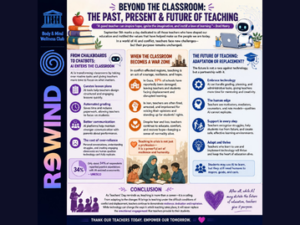
Brad Henry once said, “A good teacher can inspire hope, ignite the imagination, and instill a love of learning.” September 5th marks a day dedicated to all those teachers who have not only shaped our education but also instilled the values that have helped make us the people we are today. In this developing world of AI and technological innovation, the role of the teacher is increasingly being questioned and, at times, overlooked. While artificial intelligence is transforming classrooms and the careers of educators, teachers in war-ridden regions such as Iran face an entirely different reality, struggling to keep education alive. UNESCO suggests that only about 34% of respondents reported positive experiences with AI-assisted assessments, showing that AI is creating opportunities but also uncertainty for educators. This raises a particularly important question for the world- where does this leave the teacher who once stood at the heart of the classroom?
From Chalkboards to Chatbots: AI Enters the Classroom
The answer is not that teachers are disappearing, but that their roles are evolving.AI has its own share of benefits that it gives to teachers, such as helping to curate lesson plans, automated grading, which saves time and paperwork for teachers, rs and also maintaining better communication with parents regarding their child’s performance. However, this growing reliance on technology can come at a cost. Personalised conversations, understanding a student’s difficulties, and creating an engaging classroom are aspects of teaching that technology cannot fully replicate; hence, the overtaking of AI immensely creates a danger to teachers’ careers, as it raises concerns about the extent to which technology is replacing educators.
This contrast highlights the unequal realities of education around the world. In one part of the world, a teacher may be asking how AI can improve a lesson; in another, a teacher may be asking whether there will even be a classroom in which to teach tomorrow. On one hand, some teachers are adapting to the methods of integrating modern resources in education, while on the other, teachers in conflict-affected areas are fighting to keep education alive.
When the Classroom Becomes a War Zone
In regions affected by ongoing wars such as Gaza, attending schools can be mentally draining and overwhelming for children while they face the harsh conditions. Amidst all this, the superheroes of education put on a brave face,e showing remarkable courage as they continue to teach their students and create a sense of comfort for children whose lives have been disrupted bconflictic, making teaching not just a profession but a powerful act of resilience. A report states that “In Gaza, 97% of schools have reportedly been damaged”, leaving teachers and students facing displacement and severely disrupted learning. For educators, the challenge extends beyond the classroom as they must navigate their own hardships while simultaneously supporting students experiencing fear and loss.In Iran, the situation with teachers is also difficult, as they are often fired and even face arrest and jail time for voicing their opinions and views on the rights of their students. Although the context is different from Gaza, the essence is the same, as in both places, teachers are deprived of their rights to teach and express their opinions freely. However, even in the face of such adversity, they still strive to teach and help the youth acquire knowledge.
In these crisis-affected regions, teaching is still a means of restoring hope and resilience. By educating the children amidst all the repression and dislocation taking place, teachers can ensure some semblance of normality. This proves that educators constantly adapt to changing situations far beyond the syllabus reaffirming their role as an indispensable pillar of society.
The Future of Teaching: Adaptation or Replacement?
The future of teaching may not be a race against technology, but rather a partnership with it. Teachers must adapt to technological advances, using tools to assist with grading, planning, and administrative tasks so they can focus more on mentoring students and developing creative learning experiences. However, this raises an important question: if technology can replace many traditional responsibilities, what makes teachers necessary? A teacher is not simply a dispenser of information, but also a motivator, mediator, and mentor. They recognise when a student is struggling, know how to encourage them after failure, and create an environment where students feel comfortable learning. Therefore, the teachers who adapt to technology rather than resist it are likely to thrive. Technology can reduce the repetitive demands of teaching while allowing educators to focus on the human aspects of education that technology cannot easily replicate. The future of teaching is therefore not necessarily about replacing teachers, but about empowering them to teach more effectively.
UNESCO BMW’s Involvement in Teacher’s Day – ReWIND
As part of Teacher’s Day, UNESCO Body & Mind Wellness Club contributed through its ReWIND programme, which focuses on mental and emotional well-being, self-awareness, and managing everyday stress. The initiative highlighted that supporting teachers extends beyond professional development; their well-being is equally important. Through mindfulness and wellness activities, ReWIND provided an opportunity for teachers to pause from their responsibilities, reflect on their well-being, and develop healthier approaches to managing stress. This reinforced the idea that creating a positive educational environment requires caring not only for students, but also for the educators who guide them.
Conclusion
As Teachers’ Day rolls around, it is crucial to understand that teaching is about much more than just a career. From adapting to the changes AI brings to teaching under the difficult conditions of conflict and displacement, teachers continue to demonstrate resilience, dedication, and inspiration. While technology can change how teaching takes place, it will never be able to replace the emotional engagement that teachers provide to their students. It is perhaps in this light that one must appreciate Teachers’ Day by recognising more than just the teachings of our teachers, but the strength and dedication inherent to the profession. “After all, while AI may dictate the future of education, teachers give it purpose.”
Bibliography
- UNESCO.org
- ResearchGate
- https://pmc.ncbi.nlm.nih.gov/articles/PMC13059261/
- EFOS
- unescobmw.org
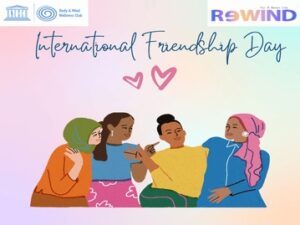
Friendship Day is one of the most celebrated occasions around the world because friendship is the foundation of every meaningful relationship whether it is between parents and children, spouses, siblings, or even lovers. Every relationship becomes stronger when it is built on trust, understanding, and companionship. Friendship allows people to understand each other better than any other bond. It helps us face the bitterness of the world and, at times, even rescues us from the negative thoughts that consume our minds. A true friend offers comfort, encouragement, and hope, making life’s challenges easier to overcome.
To highlight and celebrate the importance of this extraordinary bond, Friendship Day is observed on 30th July every year in many countries around the world. It is a day dedicated to appreciating the friends who bring joy, strength, and meaning to our lives. While many people celebrate by exchanging friendship bands, gifts, or heartfelt messages, the true purpose of the day goes far beyond these traditions. Friendship Day reminds us to express gratitude for those who stand by us through life’s ups and downs and to cherish the trust, loyalty, and companionship that make friendship one of the most precious human relationships.
Key Qualities of True Friendship
- Trust and Reliability: A true friend earns your trust by keeping your secrets safe, honoring their promises, and being someone you can depend on in both good and difficult times.
- Mutual Respect: Genuine friendships are built on accepting each other’s individuality. True friends respect each other’s opinions, values, and personal boundaries without trying to change who they are.
- Empathy and Emotional Support: A real friend listens with patience, understands your emotions, and offers comfort when you are struggling. Their support comes from compassion rather than judgment.
- Consistency and Commitment: Distance, busy schedules, or changing circumstances do not weaken a true friendship. Genuine friends make an effort to stay connected and continue supporting each other despite life’s challenges.
- Honesty with Kindness: True friends are honest even when the truth is difficult to share. They provide sincere advice and constructive feedback with good intentions, encouraging personal growth while remaining respectful and supportive.
In a world that is constantly changing, true friendship remains one of the few things that gives us a sense of belonging and comfort. Friendship Day reminds us that relationships should never be taken for granted. It is an opportunity to reconnect, express gratitude, and celebrate the people who make our lives brighter. After all, the greatest gift we can offer a friend is not an expensive present, but our time, trust, and unwavering support.
By
Fiza Faryad
]]>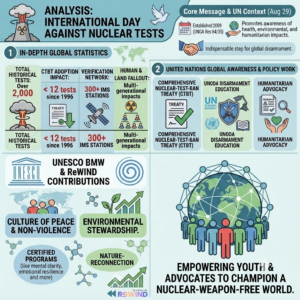
On 29 August every year, the world observes one of the most horrific tragedies of the twentieth century. The International Day Against Nuclear Tests was established by the UN General Assembly resolution 64/35 of 2009. This day was set to commemorate the closure of the Semipalatinsk test site in Kazakhstan on 29 August 1991. The International Day Against Nuclear Tests seeks to remember the victims of nuclear tests and promote a culture of peace by striving towards a world free of nuclear weapons.
Hiroshima and Nagasaki
The first atomic bombs were exploded over Hiroshima and Nagasaki, destroying these cities on 6 August 1945 and 9 August 1945. Atomic bombs were first tested in the United States on 16 July 1945 in New Mexico. In Hiroshima and Nagasaki, approximately 140000 people died in the attack and the following radioactive aftermath, whereas in Nagasaki, the number of fatalities accounts for 70000-74000 people. However, even though the majority of the victims of nuclear tests were among the hibakusha, the term also refers to those who were exposed to radiation from the explosion and survived it. Atomic bombing resulted in numerous health issues, such as leukemia, cancer, cataracts, and other radiation-induced diseases. Moreover, the effects of nuclear testing may last for decades after exposure, posing significant risks for future generations of those who survived the tests. The use of atomic weapons was the only time in human history that nuclear weapons were used, and it remains evident that there are no acceptable reasons for engaging in any nuclear tests.
Detrimental Effects of Nuclear Testing
Over two thousand nuclear tests were carried out between 1945 and the late 1990s. These tests were conducted in many different environments, ranging from deserts and atolls to steppes and mountains. Roughly a quarter of nuclear tests conducted involved detonating the weapons in the atmosphere, whereas the rest took place underground. Nuclear testing often had profoundly adverse environmental consequences, such as the “tired mountain syndrome,” which occurs when geological faults on mountainous terrain are subjected to stress from underground nuclear explosions. Other environmental consequences of nuclear tests involve the contamination of groundwater and soil, which can last for decades after the tests. Nuclear testing also brought severe consequences for the indigenous people who inhabited the territories where tests were conducted. They included severe health damage, significant disruption of their traditional way of life, loss of land, and even famine. The rates of cancer, birth defects, miscarriages, and other severe conditions were severely increased. The long-term consequences of nuclear testing affect not only the people but also the environment and food resources.
Moratoria and the Imperative Ensured
Since 1996, the Comprehensive Nuclear-Test-Ban Treaty Organization has worked to establish a worldwide ban on nuclear testing. Despite the international consensus on the devastating effects of nuclear tests, there have been several violations of the test-ban treaties, including three official tests conducted by India and Pakistan in 1998 and several tests conducted by the DPR Korea, which officially withdrew from the treaty in 2003. It is essential to continue working towards global efforts in banning nuclear tests because warfare, in general, and nuclear warfare, in particular, is not an option for a prosperous future. Continuing nuclear tests only serve to increase the number of horrifying and horrifying acts of violence that humanity has already witnessed.
UNESCO BMW’s Role
UNESCO Body and Mind Wellness Club (UNESCO BMW), in its capacity as an organization devoted to maintaining peace and promoting environmental sustainability, as well as ensuring education for young people about the importance of harmony between nature and humankind, contributes to the culture of peace by raising awareness of the International Day Against Nuclear Tests and educating youth on the importance of a world free from nuclear weapons so that it is underscored that a nuclear-free world equals to a more peaceful and just one.
By Ruheena Roushanara Choudhury
Bibliography:
https://www.un.org/en/observances/end-nuclear-tests-day/history
https://www.icanw.org/nuclear_tests
https://www.nkhiddengulag.org/blog/human-security-risk-tired-mountain-syndrome
https://ourworldindata.org/grapher/number-of-nuclear-weapons-tests
]]>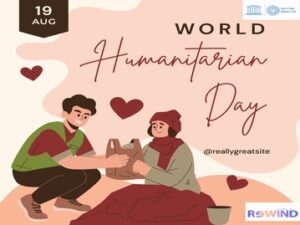
On August 19, the world observes World Humanitarian Day: a time to honour the dedication and courage of humanitarian workers while standing in solidarity with people affected by crises across the globe.
Despite their life-saving mission, humanitarian workers often face violence, injury, detention, and even death while assisting people affected by conflicts and disasters. International humanitarian law requires that they be respected and protected so they can safely deliver essential aid. When these workers are targeted, it not only endangers their lives but also disrupts critical services such as food, healthcare, and emergency relief, putting vulnerable communities at even greater risk.
Background
World Humanitarian Day has its origins in the tragic bombing of the Canal Hotel in Baghdad, Iraq, on 19 August 2003, where 22 humanitarian workers, including UN Special Representative Sergio Vieira de Mello, lost their lives. In recognition of their sacrifice, the United Nations General Assembly officially designated 19 August as World Humanitarian Day in 2008. Led by the United Nations Office for the Coordination of Humanitarian Affairs (OCHA), the annual campaign raises awareness about humanitarian crises, advocates for the dignity and well-being of affected communities, and highlights the importance of protecting humanitarian workers worldwide.
What Needs To Be Done?
Words of concern alone are not enough to protect humanitarian workers. Real change requires concrete action, accountability, and strict adherence to international humanitarian law.
This World Humanitarian Day, we call for:
- Protection of civilians and humanitarian workers in accordance with international humanitarian law.
- Safe and unrestricted humanitarian access so that life-saving assistance reaches those in need without delay.
- An end to the arbitrary arrest and detention of humanitarian personnel and the release of those unlawfully detained.
- Thorough and impartial investigations into attacks on aid workers, with those responsible held accountable.
- Support for survivors and the families of humanitarian workers who have been injured or lost their lives while serving others.
- Stronger safety measures, including security training, appropriate equipment, mental health support, and the use of technology to protect humanitarian personnel.
UNESCO BMW’s Involvement
At UNESCO Body and Mind Wellness, we believe that humanitarian action begins with compassion, empathy, and a shared sense of responsibility toward others. On World Humanitarian Day, we stand in solidarity with humanitarian workers and communities affected by conflict, disasters, and crises around the world. Through our initiatives that promote mental well-being, resilience, cultural understanding, and human connection, we reaffirm our commitment to fostering a more compassionate, inclusive, and peaceful world where dignity, kindness, and humanity remain at the heart of every action.
By
Fiza Faryad
Bibliography:
]]>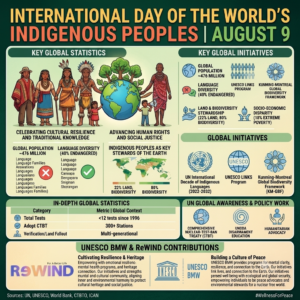
Every 9 August, the international community celebrates the International Day of the World’s Indigenous Peoples. Established by the United Nations General Assembly in 1994 (resolution 49/214), the Day commemorates the first meeting, in 1982, of the United Nations Working Group on Indigenous Populations. The UN General Assembly resolution 49/214 recognized the need to promote appropriate measures that contribute to strengthening respect for indigenous cultures and awareness of the rights of indigenous peoples to their lands and traditional ways of life.
Indigenous Cultures Around the World
Around 90 countries are home to more than 476 million indigenous people who represent more than five thousand cultures and speak most of the world’s 7,000 languages. These people live in a wide range of environments, from the polar regions to the tropical forests, from the Pacific islands to the Andean highlands and beyond. There is great diversity in ways of life and relationships with the natural environment among the world’s indigenous peoples. For example, at least a quarter of the world’s ice-free land area is managed by Indigenous Australians, Asians, and Native Americans.
How the Indigenous Peoples Have Made the World Better
In addition, there are many traditional knowledge systems that provide solutions to contemporary problems, such as climate change, food security, and conservation, and thus serve as examples for other civilizations. Using traditional knowledge and practices, indigenous peoples and local communities can make meaningful contributions to the conservation and sustainable use of biodiversity and the mitigation of climate change. For instance, the world’s forests store at least 25 percent of carbon found in the atmosphere, while indigenous forestlands contain more than half of that amount. Moreover, many traditional practices, such as those used by indigenous midwives, are often found to be effective and efficient and are increasingly being adopted by conventional medicine.
UNESCO BMW’s Role
By promoting education, cultural exchange, and environmental sustainability in accordance with UNESCO’s mission to maintain peace and sustainable development through mutual understanding among civilizations and respect for humanity’s diversity, the Club highlights the importance of Indigenous knowledge systems, cultures, and peoples. In doing so, UNESCO BMW encourages youth to learn about indigenous cultures and traditions, thereby supporting peacebuilding, sustainable development, and intercultural dialogue at the local and global levels.
Indigenous Knowledge for a Sustainable Future
Thus, on the day of commemorating the first meeting of the United Nations Working Group on Indigenous Populations, the Club invites you to listen closely to the wisdom of the world’s oldest cultures. The traditional knowledge of different Indigenous Peoples and Nations is invaluable for building a sustainable future for humanity.
By Ruheena Roushanara Choudhury
Bibliography
https://www.un.org/en/observances/indigenous-day
https://www.unep.org/news-and-stories/story/tapping-indigenous-knowledge-protect-nature
https://stories.undp.org/10-things-we-all-should-know-about-indigenous-people
]]>
Every year, on 26th july, the International Day for the Conservation of the Mangrove Ecosystem is celebrated globally to raise the awareness about the Mangrove forests, a fragile ecosystem under the threat of deforestation and climate change. This Day aims to facilitate solutions for the resilient management, conservations, and uses of mangrove ecosystems.
What Mangroves are?
Mangroves are unique Salt- tolerant trees and shrubs that exist in the transitional zone between land and sea. They play a very important role in maintaining ecological balance by protecting shorelines from erosion, reducing the impact of storms and floods, and providing habitat for a wide variety of marine and terrestrial species. Their soils act as powerful carbon sinks. Due to their environmental, economic, and social benefits, the conservation and sustainable management of mangrove ecosystems are essential for supporting biodiversity and ensuring the long-term resilience of coastal communities.
Mangrove Deforestation
Although mangroves play a vital role in coastal protection and climate regulation, they are being lost at an unprecedented rate than overall global forest losses, with serious ecological and socio-economic impacts. Current estimates highlight that mangrove coverage has been divided by two in the past 40 years. This accelerating decline is attributed to a range of interrelated factors, including coastal development, habitat conversion, pollution, unsustainable resource use, and climate change impacts.
UNESCO Initiatives for Mangrove Protection and Restoration
- UNESCO supports the conservation of mangrove ecosystems worldwide.
- It integrates mangroves into Biosphere Reserves, World Heritage Sites, and UNESCO Global Geo parks to improve their protection, management, and scientific understanding.
- These efforts also promote sustainable development for local communities living near mangrove areas.
- At the scientific and policy level, UNESCO is committed to the protection, restoration, and sustainable management of blue carbon ecosystems, including mangroves, sea grasses, and tidal marshes.
- These ecosystems play a vital role in climate change mitigation by storing carbon.
- They also provide important ecosystem services such as:
- Supporting marine biodiversity
- Sustaining fisheries and food security
- Filtering water entering oceans and reefs
- Protecting coastlines from erosion and storm surges
- Through the MangRes project (2022–2025), UNESCO helps local communities restore and conserve mangroves, especially in biosphere reserves across Latin America and the Caribbean.
UNESCO BMW Initiative
In addition to awareness and restoration activities, the UNESCO BMW Club emphasizes capacity building and youth engagement in environmental conservation. Through workshops, training sessions, and community-based programs, the club equips young people with knowledge and practical skills to participate in mangrove protection efforts. It also highlights the role of scientific research and data-driven approaches in understanding ecosystem changes and improving conservation strategies. By fostering collaboration between educators, researchers, and local communities, the club contributes to building long-term resilience in coastal ecosystems while strengthening global environmental stewardship.
What we should do
Promote sustainable coastal development practices.
Encourage responsible fishing and eco-friendly tourism.
Increase public awareness through education and community programs.
Involve local communities in conservation and restoration efforts.
Support scientific research and monitoring of mangrove ecosystems.
Expand mangrove restoration and reforestation projects.
Enhance international cooperation and funding for conservation initiatives.
Encourage individuals to participate in environmental protection activities.
By taking these collective actions, we can ensure the long-term conservation of mangrove ecosystems and their benefits for future generations.
By: Fiza Faryad
Bibliography
International Day for the Conservation of the Mangrove Ecosystem
]]>
Who was Nelson Mandela?
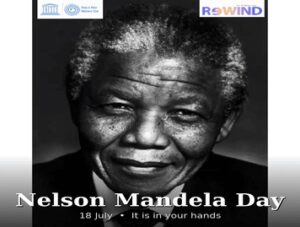
Nelson Rolihlahla Mandela was a South African anti-apartheid activist, political prisoner, and the country’s first Black President from 1994 to 1999. He was born on 18th July 1918 and spent most of his life fighting against racial discrimination and inequality. Due to his struggle against apartheid, he remained in prison for 27 years. After his release, he worked for peace and unity and later became the first Black president of South Africa. Today, Nelson Mandela is remembered as a symbol of courage, justice, and equality throughout the world.
Nelson Mandela Day
Nelson Mandela Day is an international day observed on 18 July to honor the life and legacy of Nelson Mandela. Nelson Mandela dedicated his life to fighting injustice, promoting equality, and building peace in South Africa. His efforts against apartheid and his commitment to reconciliation continue to inspire millions of people around the world. This day encourages individuals to make a positive difference in their communities by following Mandela’s values of service, compassion, and social justice.
What should WE do?
- Help people in need through small acts of kindness.
- Volunteer for community service and social welfare activities.
- Promote equality and respect for all individuals regardless of their background.
- Support education and opportunities for disadvantaged communities.
- Stand against discrimination, injustice, and prejudice.
- Encourage peace, tolerance, and understanding in society.
- Follow Nelson Mandela’s values of compassion, leadership, and service to others.
By taking these simple actions, we can honor Nelson Mandela’s legacy and contribute to building a more just and inclusive world.
UNESCO BMW initiative
Organizations such as UNESCO and BMW support initiatives that align with the values promoted on Nelson Mandela Day, including peace, education, and social development. Their focus on community service, environmental awareness, and youth empowerment reflects Mandela’s vision of a more equal and compassionate world. Through encouraging volunteer work, support for charitable causes, and eco-friendly activities, such initiatives help promote positive social change and inspire individuals to contribute to their communities.
Nelson Mandela’s life reminds us that even small actions can bring big change. By following his values of peace, equality, and kindness, we can all contribute to building a better and more just world.
By Fiza Faryad
Bibliography
Nelson Mandela International Day-July 18th, 2024 – UNESCO Body & Mind Wellness Club
]]>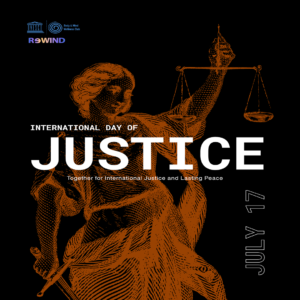
World Day for International Justice: Together for International Justice and Lasting Peace
Some crimes are too serious to be prosecuted in a single country. Crimes against humanity, war crimes, and genocide transcend national boundaries, outlive governments, and can leave victims with no recourse. Every year on July 17, the globe observes Globe Day for International Justice to remind people that there is, at least in theory, a mechanism in place to close that gap and to rekindle the international commitment required to maintain it.
The Background of International Justice Day
The day honors the July 17, 1998, approval of the Rome Statute, the foundational agreement that created the International Criminal Court (ICC). The International Criminal Court (ICC) was established as the first permanent international court to prosecute people for the most serious crimes under international law—genocide, war crimes, crimes against humanity, and crimes of aggression—rather than governments. The Day of International Criminal Justice, also known as International Justice Day or World Day for International Justice, was officially declared by the Assembly of States Parties in 2010 at the Rome Statute Review Conference in Kampala, Uganda. The observance was first observed in 2003.
Why the Day Still Matters
International Justice Day is both a celebration and a call to action. It acknowledges the role of civil society in holding ICC member states accountable to their obligations and calls on governments that have committed to the Rome Statute system to continue supporting it in practice rather than merely on paper. In order to increase public awareness of how international justice actually functions and why it is still vulnerable, coalitions, courts, and advocacy organizations around the world commemorate the day annually with panels, exhibitions, and public events. These events are frequently held at establishments like the ICC in The Hague or the United Nations headquarters.
Progress and Persistent Challenges
International justice has a truly uneven track record. In addition to applying legal pressure on matters like carbon emissions linked to climate change, international tribunals have assisted in resolving actual conflicts, such as the conflict between East Timor and Indonesia that aided East Timor’s journey to independence. However, the system has well-known limitations: the International Criminal Court (ICC) has a police force of its own and cannot force governments to uphold its decisions. As a result, some condemned individuals are still free, and several disputes that the court was supposed to assist in resolving continue unresolved. It is precisely because of this discrepancy between the promise of international justice and its real enforcement capacity that it is still important to continue drawing attention from around the world, as this day is intended to do.
UNESCO BMW and the ReWIND Project
In honor of World Day for International Justice, UNESCO Body & Mind Wellness Club (UNESCO BMW) uses print and social media to raise awareness of the international court system’s inadequacies as well as its accomplishments. UNESCO BMW’s free ReWIND program, an eight-session course that has already reached over 500 participants, including 32 teenagers and 70 adults, is linked to this same goal of reestablishing peace and order. It provides people with useful tools to manage stress, anxiety, and anger—the same underlying tensions that, if left unaddressed at a societal level, frequently fuel the very conflicts international justice is designed to address.
References
]]>
Global Forgiveness: Healing Begins with Forgiveness
Regardless of background, culture, or religion, forgiveness is one of those uncommon concepts that subtly unites people from all over the world. The power of forgiveness influences how people heal and how communities progress, whether it is through a private moment of letting go of an old grudge or a public gesture of reconciliation between nations. Every year on Global Forgiveness Day, individuals from all around the world are encouraged to stop, think, and deliberately decide to let go of their anger and resentment in favor of understanding and peace.
The Background of Global Forgiveness Day
The Christian Embassy of Christ’s Ambassadors (CECA) originally declared a National Forgiveness Day in Victoria, British Columbia, in 1994, which is when Global Forgiveness Day got its start. As the celebration spread and struck a chord with individuals of many backgrounds and ideologies, it developed into the more expansive Global Forgiveness Day, which is currently observed on July 7. Similar celebrations have spread throughout the world, such as Forgiveness Sunday in the Christian calendar and International Forgiveness Day, which was established by Archbishop Desmond Tutu and observed on the first Sunday in August. These events demonstrate how universal the need for forgiveness is.
The practice of forgiveness is also influenced by cultural context. Forgiveness is typically viewed in individualistic societies as a private, internal process that one works through in private. Forgiveness frequently becomes a collective issue in more collectivist societies, with an emphasis on reestablishing social harmony as opposed to merely resolving personal grievances. This is part of what makes the concept “global”: while forgiveness can take many different forms, everyone has the fundamental urge to let go of grudges.
The Health Benefits of Forgiveness
Forgiveness has actual, quantifiable physical advantages in addition to its emotional and spiritual significance. Forgiveness has been associated with lower blood pressure, lower levels of stress hormones, a better heart rate, and even less chronic pain, according to research. On the other hand, it has been demonstrated that harboring resentment and anger can have negative bodily effects, including anxiety, elevated blood pressure, and persistent stress. Therefore, choosing to forgive is not only beneficial for relationships but also an investment in our own physical and emotional health, which is a major reason why medical professionals still advise developing this practice.
Stories That Inspire Forgiveness
The most potent instances of forgiveness can be found in the most trying times in history. After serving 27 years in jail, Nelson Mandela made the decision to forgive his oppressors and steer South Africa away from retaliation and toward peace. The man who attempted to kill Pope John Paul II in 1981 was personally visited and pardoned. These tales serve as a reminder that forgiveness is about releasing ourselves from the burden of wrongdoing, not about justifying it.
UNESCO BMW and the ReWIND Project
Organizations all throughout the world use practical methods to spread this message. Through workshops, awareness campaigns, and community events focused on healing and reconciliation, UNESCO Body & Mind Wellness Club (UNESCO BMW) actively supports World Forgiveness Day. It’s free ReWIND program, an eight-session course that has already reached over 500 participants, including 32 teens and 70 adults, puts that mission into action by teaching practical tools for managing stress, anxiety, and anger—the very emotions that so frequently stand in the way of forgiveness.
References
- https://nationaldaycalendar.com/celebrations/global-forgiveness-day-july-7
- https://www.daysoftheyear.com/days/forgiveness-day/
- https://www.ulc.org/ulc-blog/international-forgiveness-day
- https://www.mayoclinic.org/healthy-lifestyle/adult-health/in-depth/forgiveness/art-20047692
- https://www.holidayinsights.com/moreholidays/august/forgivenessday.htm
]]>
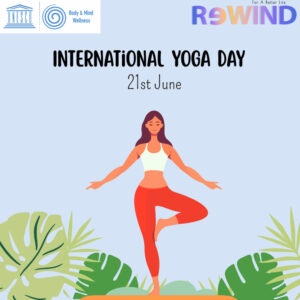
On June 21st each year, the world celebrates International Yoga Day, an event that has grown over the last decade from a mere symbolic action to one of the largest participation days in the world.
The impact of this celebration on global health and social well-being is profound. It expresses, through metaphor and action, the spirit of yoga in relation to potential non-violence across our planet, youth empowerment, and sustainable health.
The History of International Yoga Day
Many centuries ago, India was known for its contributions to humanity in the areas of spiritual, mental, and physical well-being through the practice of Yoga, from the Sanskrit word yuj, meaning ‘to unite’. The practice of yoga is used to bring your mind, body, and soul into harmony, forming one complete being.
For thousands of years, the teachings of yoga were passed down orally in India from teacher to student. However, in the 20th century, yoga masters such as Swami Vivekananda, B.K.S Iyengar, and K. Pattabhi Jois made yoga a global phenomenon.
The United Nations General Assembly unanimously proclaimed 21 June as the International Day of Yoga on 11 December 2014. This resolution had been jointly introduced by 177 member states, marking the highest number of co-sponsoring countries ever for a UN resolution.
Theme for International Day of Yoga 2026
“Yoga for Wellness, Wisdom & World Peace”
The theme explains the role of yoga in helping individuals remain healthy, have positive thinking, and lead peaceful lives.
- Wellness: Yoga helps maintain good physical health, relieves stress, and promotes psychological well-being.
- Wisdom: Yoga instills discipline, rational thinking, and a sense of life’s wisdom.
- World Peace: Yoga fosters harmony, compassion, and unity amongst individuals.
Yoga Day 2026 Activities
- Basic yoga classes for beginners.
- Meditation and mindfulness classes.
- Deep breathing techniques for stress relief.
- Yoga for community members of all age groups.
The focus would be on making yoga simple and accessible for everyone.
The Science Behind Yoga: Why It Is Good for the Well-Being
International Yoga Day has symbolic value. Scientific research has proven the beneficial effect of yoga on both physical and psychological well-being. As of September 2024, the World Health Organization documented 2,919 clinical trials involving yoga.
Physical Well-Being
- Yoga boosts immunity and decreases inflammatory reactions in the body.
- It helps type 2 diabetics manage their blood sugar.
- Practicing yoga regularly can alleviate pain and stiffness in people with arthritis.
- Yoga can decrease bad cholesterol and improve cardiovascular health.
- In addition, yoga might prevent the deterioration of heart disease in some patients.
Psychological Well-Being
- Numerous individuals practice yoga regularly to relieve stress and anxiety.
- It has been scientifically proven that yoga lessens depression symptoms.
- Yoga can reduce inflammation caused by stress and disease.
- Post-COVID-19 research highlighted yoga as an easy-to-use method for improving mental health.
Yoga and the United Nations Sustainable Development Goals
International Yoga Day aligns with the UN’s vision of a sustainable future. This is evident in the 17 Sustainable Development Goals (SDGs) launched in 2015, which aim to address poverty, inequality, and environmental protection.
The 2025 theme, “Yoga for One Earth, One Health,” highlights the interconnection between human well-being, nature, and peace.
Yoga is instrumental in achieving several SDGs, including:
- SDG 3: Good Health and Well-Being: Yoga positively impacts both physical and mental well-being.
- SDG 4: Quality Education: Yoga fosters mindfulness, concentration, and self-discipline, particularly among the youth.
- SDG 13: Climate Action: Initiatives like Harit Yoga raise environmental consciousness.
- SDG 16: Peace, Justice and Strong Institutions: Yoga cultivates inner peace, leading to peaceful societies.
UNESCO BMW Vision and Mission
UNESCO Body & Mind Wellness Club is a non-profit organization that promotes yoga, wellness, arts, and peace among young people. It supports the UN Sustainable Development Goals (SDGs) and helps build a new generation of peacemakers through mindfulness, cultural understanding, and healthy living.
The UNESCO BMW initiative holds that yoga and the pursuit of overall wellness can help in creating a peaceful, united future for people everywhere.
The organization values the true essence of yoga, such as compassion through caring and understanding each other, and neutrality, treating everyone equally, with no bias toward those who do not fit into your group.
UNESCO BMW focuses on a holistic approach to support physical, mental, and emotional health and healing. They are committed to sustainability by creating long-term, positive change in communities around the world, while remaining open and accountable by supporting its volunteers with honesty and integrity.
UNESCO BMW Involvement
UNESCO Body & Mind Wellness Club is a registered nonprofit organization that employs ancient wellness practices, such as yoga, to support youth development, cultural exchange, and peace-building worldwide.
UNESCO BMW believes that youth must be taught self-confidence, self-awareness, physical well-being, balanced emotions, and appreciation for diverse cultures. In this way, they will become future peacemakers and positive role models in society.
Uniting in Breath, Movement, and Purpose
International Yoga Day, celebrated on 21 June, is a day of health, peace, and unity. Yoga, practiced since ancient India, not only unites the body, mind, and spirit but also teaches one the art of balance and peace. As stated by UNESCO BMW, the goal of the International Yoga Day is to build the next generation of peacemakers.
This June 21, wherever you are in the world, take a moment to breathe deeply, stretch, and remember: the journey toward a better world begins within.

By: Ayesha Khalid
Sources
- https://leverageedu.com/discover/trending-events/international-yoga-day/
- http://unescobmw.org
- https://www.who.int/southeastasia/news/detail/21-06-2024-international-day-of-yoga
- https://pmc.ncbi.nlm.nih.gov/articles/PMC12008780/
- https://www.fitsri.com/articles/international-day-of-yoga
- https://en.wikipedia.org/wiki/International_Day_of_Yoga